





Cultural venues museums and libraries supported with 60 million boost for 2023
Beneficiaries of the Cultural Investment Fund, announced by Culture Secretary Lucy Frazer, include museums, cultural venues and public libraries across England.
- Cultural organisations across the country given boost to level up opportunities to access the arts
- Beneficiaries of the third round of Cultural Investment Fund cover places from Basildon to Bradford
- Investment to support local economic growth follows bumper Budget result for arts sector
Contents |
[edit] 70+ cultural organisations
More than 70 cultural organisations across the country are to be given a financial boost by the government so they can improve people’s access to arts, support local economic growth through culture and safeguard vital local collections for future generations.
They will share a pot of £58.8 million which will see arts venues transformed, upgraded and created as part of the government’s plans to make sure everyone, no matter where they live, can access the UK’s world-renowned culture.
Basildon Borough Council will receive £4.4 million to turn empty properties in the town centre into a creative facility for screen and immersive digital industries. The project will help support businesses and freelancers working in the film, TV, gaming, VFX and animation sectors, further demonstrating the government’s commitment to the creative industries as a priority growth sector.
Bradford, UK City of Culture 2025, will receive £4.9 million to redevelop the intercultural arts centre Kala Sangam and other cultural assets, to establish a network of local arts hubs and support the successful delivery of its year as the culture capital and beyond.
The Potteries Museum and Art Gallery in Stoke-on-Trent will receive £5 million to build a wrap-around extension to improve facilities and accessibility and support local education, health and wellbeing projects.
Arts Council England will deliver this fund on behalf of the Department for Culture, Media and Sport (DCMS).
[edit] Comments
Culture Secretary Lucy Frazer said:
This investment will help to level up access to arts and culture for everyone, no matter where they live. Culture helps us create lifelong memories with our families and friends, provides entertainment and joy, and allows us to explore the world around us in new and exciting ways. It can also boost tourism, support local business and drive local economic growth. This funding will support brilliant arts organisations to upgrade their venues and create new projects that will be at the heart of their communities.
Darren Henley, Chief Executive of Arts Council England said:
Investment in creativity and culture is a catalyst for improving well-being and raising aspirations, reinvigorating pride in communities, regenerating high streets and local economies, and bringing people together. We are pleased to play a part in delivering the Cultural Investment Fund and this £58 million investment will help create new, or improve existing, cultural buildings and spaces in our villages, towns and cities. By doing so it will support recovery and growth and unlock the creative potential of those who live and work in communities across England.
Duncan Wilson, Chief Executive of Historic England said:
Culture, heritage and the arts all contribute to people’s sense of belonging and place. These grants will help to reinforce this and we welcome them.
[edit] Three separate streams
The fund, which totals more than £200 million and was launched in 2019, is made up of three separate streams;
- The Cultural Development Fund
- The Libraries Improvement Fund
- The Museum Estate and Development Fund.
It is designed to protect and improve people’s access to culture, regenerate communities, upgrade buildings and digital infrastructure and use investment to promote economic growth.
In this round of funding, £32.4 million has gone to eight Cultural Development Fund projects, £4.9 million to 27 projects as part of the Libraries Improvement Fund and £21.4 million has gone to 36 museums through the Museum Estate and Development Fund.
[edit] Tax relief
This announcement follows a big boost for the cultural sector in the Spring Budget with an extension of tax reliefs for theatres, orchestras, and museum and gallery exhibitions for a further two years. These tax reliefs have already supported thousands of theatre and orchestral productions, galleries and museums across the country, and the extension is set to help the cultural sector continue to attract new talent and investment from home and abroad.
Extending these tax reliefs builds on the support the government has provided to the creative sectors. This includes the £1.6 billion Culture Recovery Fund that supported more than 5,000 organisations throughout the pandemic.
Other successful bidders include:
- In Walsall, in the West Midlands, the Grade II* listed Guildhall building in St Matthew’s Quarter will be redeveloped as part of a £3.7 million project to deliver a three-year Cultural Activity Programme to reinvigorate and enliven this previously neglected corner of Walsall town centre.
- Cannon Hall in Barnsley will receive almost £900,000 to protect its stunning Grade II* listed Georgian country house and collection of fine and decorative art.
- £350,000 will go to Sunderland Museum and Winter Gardens, the first publicly funded museum outside London, to improve infrastructure and protect its nationally important collections covering social and natural history.
- Essex County Council will receive £337,500 to transform the first floor of Colchester Library to provide an interactive learning and play space for children and families.
- In Stockton-on-Tees, £50,000 will allow the library service to update and develop its collaborative workspace with new and updated equipment, new programmes and opportunities for library users to engage with technology.
This article was issued via Press Release as 'Over 70 cultural venues, museums and libraries supported with £60 million boost' dated March 20, 2023.
[edit] Related articles on Designing Buildings
- Authentic Reconstruction: authenticity, architecture and the built environment.
- Brexit and UK research into cultural heritage.
- Conservation.
- Cultural significance.
- Cultural integration.
- Cultural heritage.
- Cultural quarter.
- Heritage asset.
- Historic environment.
- How architecture can suppress cultural identity.
- Placemaking.
- Protected characteristics.
- Safeguarding Cultural Heritage from Natural and Man-made Disasters: a comparative analysis of risk management in the EU.
- Social impact assessment.
- Social value.
- Strategic cultural areas.
Featured articles
Check out some of the best features and news from Designing Buildings as well as key stories from around the web.
Connecting knowledge, technology and conservation
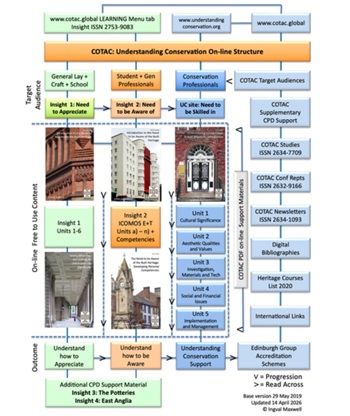
Building competence for the future of built heritage.
Building Regulations and Building Safety Act
CIOB publishes free advice for non-domestic clients.
Building Safety Newsletter from MHCLG.
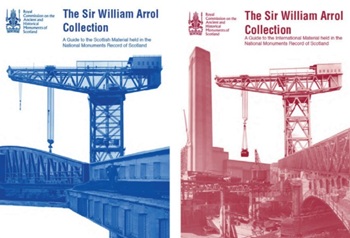
An extraordinary record of steel engineering worldwide.

Households living near new pylons to save on bills.

ECA warns growth must not outpace grid capacity or skills.
The role of the client and decision making

CIOB response to built environment professions call for evidence.
Construction's sustainability reporting revolution
Tracking upfront embodied carbon with digital tools.
ECA welcomes procurement reforms
Public spending must back British jobs and skills.
Campaigning for Edinburgh: the Cockburn Association 1875-2049
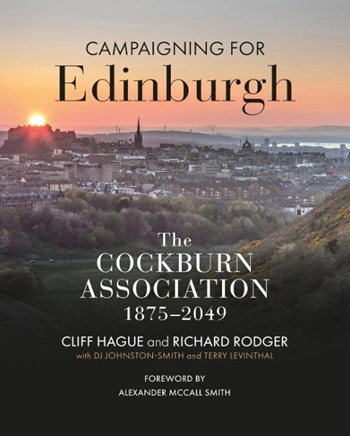
The role of the civic voice in protecting character. Book review.
CIOB photography competition is open for entries.
ECA Edmundson apprentice of the year award

Finalists announced.
Comments
[edit] To make a comment about this article, click 'Add a comment' above. Separate your comments from any existing comments by inserting a horizontal line.